Panel Installation Process

Step 1: Surface preparation
Step 2: Ensure walls/ceilings are flat, dry, and dust-free
Step 3: Set up/Install the framing skeleton
Step 4: Measuring and cutting panels
Step 5: Measure actual dimensions
Step 6: Cut panels to matching sizes
Step 7: Surface preparation
Step 8: Assemble via interlocking tongue-and-groove joints
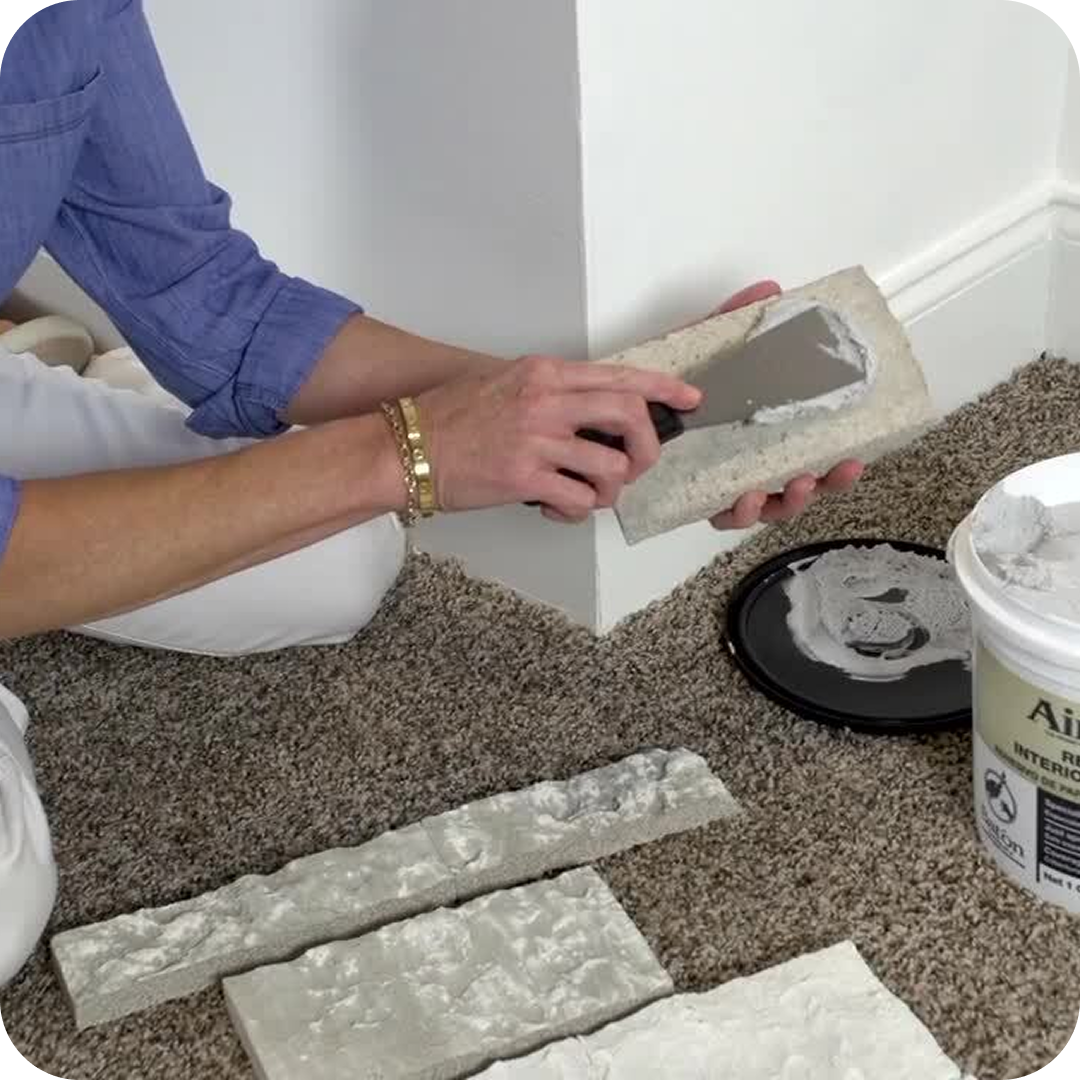
Step 9: Finishing
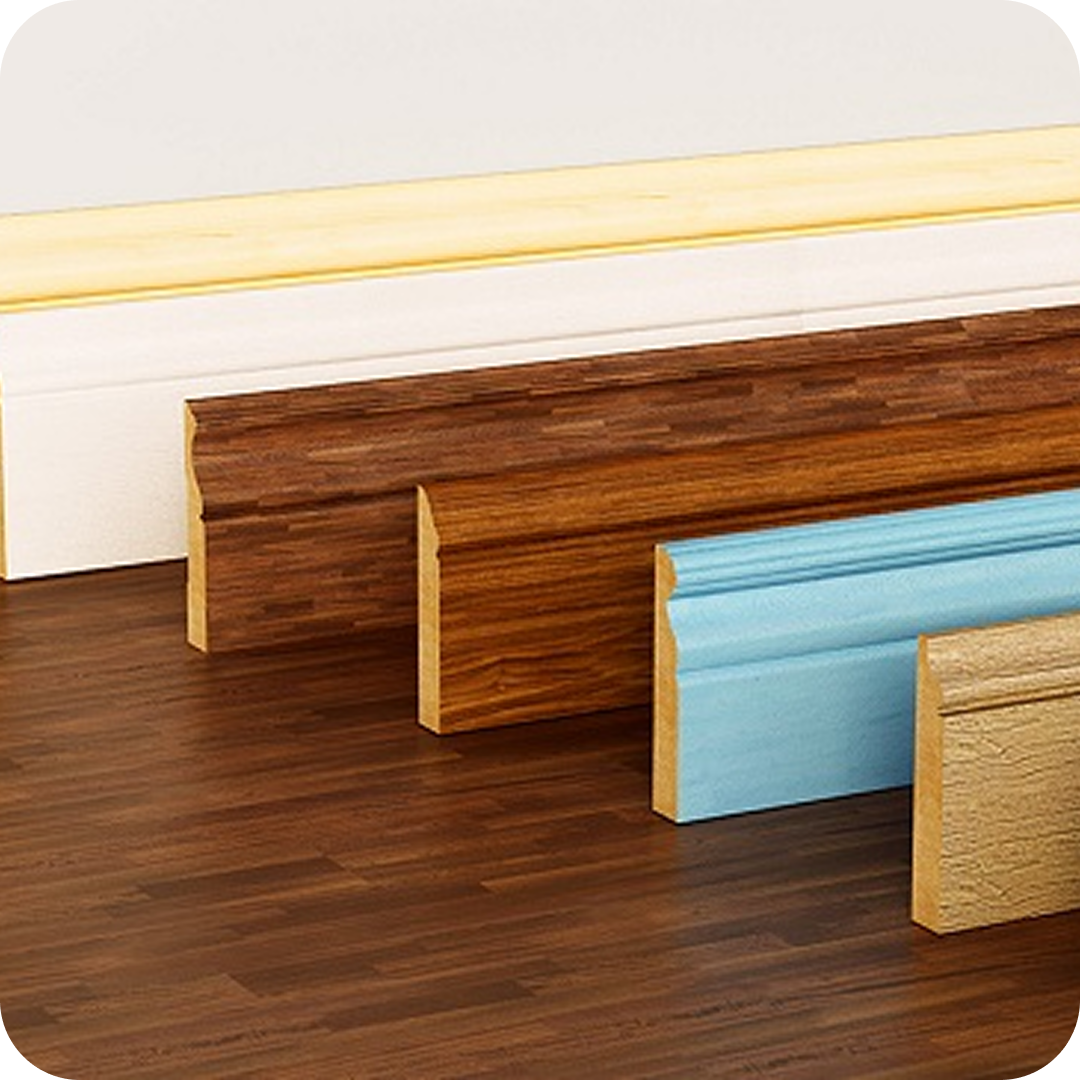
Step 10: Install trims, moldings, and skirtings
Step 11: Final inspection and surface cleaning

Step 1:

Surface preparation

Surface preparation

Đây là nội dung mô tả chi tiết về bước này...

Step 2:

Ensure walls/ceilings are flat, dry, and dust-free

Ensure walls/ceilings are flat, dry, and dust-free

Step 3:

Set up/Install the framing skeleton

Step 4:

Measuring and cutting panels

Step 5:

Measure actual dimensions

Step 6:

Cut panels to matching sizes

Step 7:

Surface preparation

Step 8:

Assemble via interlocking tongue-and-groove joints

Step 9:

Finishing

Step 10:

Install trims, moldings, and skirtings

Step 11:

Final inspection and surface cleaning

Instructional video

Technical

Notes

Do not install on damp surfaces or those without waterproofing treatment

Avoid heavy impacts or sharp objects on the panel surface

Use the correct type of adhesive and recommended accessories

Ensure a small expansion gap during installation (for areas with temperature fluctuations)

For outdoor or semi-outdoor areas, a protective roof/canopy is required

Included

Accessories

01

U-trims, H-trims, Corner trims

Connecting and covering joints

02

Skirting boards, Ceiling moldings

Connecting and covering joints

03

Stainless steel clips / cleats

Connecting and covering joints

04

Specialized adhesive / glue

Connecting and covering joints

Benefits of

Proper Installation

Fast installation, saves time

Flat, seamless, and aesthetically uniform surface

Enhances product durability and lifespan

Minimizes technical issues or defects during usage

Form ứng tuyển